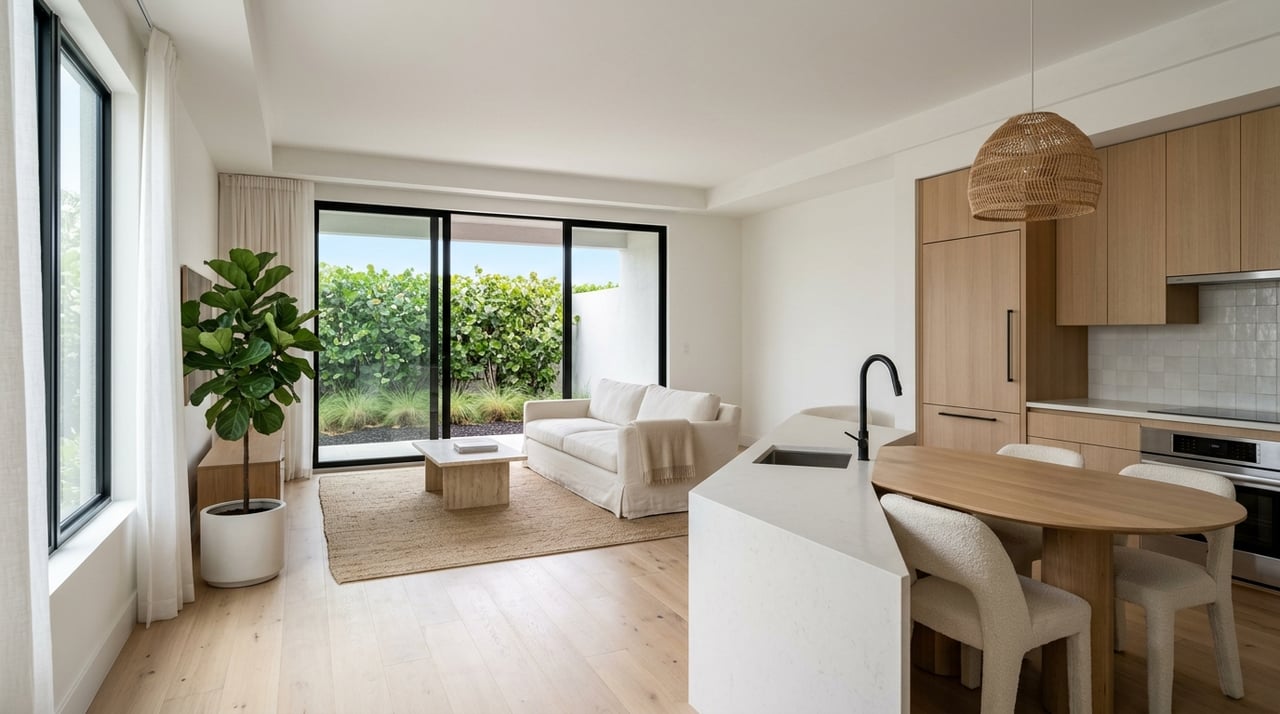
Selling a home from out of town can feel like a full-time job, especially when you are trying to manage repairs, paperwork, showings, and closing details from miles away. If you own a home in Niceville and want a smoother path to the closing table, the good news is that a well-planned remote sale is absolutely possible. With the right preparation, clear disclosure, and a front-loaded strategy, you can reduce stress, protect your time, and keep the process moving with confidence. Let’s dive in.
Why remote selling in Niceville takes planning
Niceville is a city in Okaloosa County on Choctawhatchee Bay, bordered by Eglin Air Force Base on the east and north, according to the city. Current market snapshots point to a market where preparation still matters, even though the exact numbers vary by source. Depending on the platform and time frame, median sale price estimates range from about $405,833 to $489,707, and time on market ranges from about 18 days to 80 days.
For you as an out-of-town owner, that range matters. It suggests you should not assume your home will go under contract immediately after listing. A more realistic plan is to expect several weeks of preparation and market exposure, then build your move-out, paperwork, and closing schedule around that timeline.
Start with a front-loaded sale plan
When you are selling remotely, the goal is to make major decisions before your home goes live. That includes repairs, paint touch-ups, cleaning, staging, photography, and document gathering. A front-loaded plan helps you avoid scrambling after the listing is active.
This approach is especially helpful in Niceville because permit and inspection timing can affect your schedule. Inside the City of Niceville limits, cosmetic work only, such as carpet, tile, and painting, does not require a permit. For more substantial work, the City of Niceville Building & Inspections Division handles permits and inspections, and inspection requests must be emailed by 12:00 p.m. to be eligible for the next business day, schedule permitting.
Prep tasks that may move quickly
Some updates are simpler to coordinate from a distance because they are considered cosmetic only within city limits. These may include:
- Interior painting
- Carpet replacement
- Tile work
- General cleaning
- Decluttering
Even with simpler items, timing still matters. If you wait until after professional photos are scheduled, you risk delaying your launch or going live with a weaker first impression.
Prep tasks that may need more lead time
Larger improvements can require more coordination because permits or inspections may apply. If your project goes beyond cosmetic work, it is wise to verify the scope early and build in enough time for scheduling. That is one reason remote sellers often benefit from managing the property like a project, not just a listing.
First impressions matter even more online
Most buyers use technology during their home search, and that makes your online presentation critical. For an out-of-town owner, buyers will often form their first opinion of your property before they ever schedule a showing. That means the home needs to be ready before it hits the market.
Staging can support that effort. According to the National Association of Realtors’ 2025 staging report, 49% of sellers’ agents said staging reduced time on market, 29% said it increased offered value by 1% to 10%, and 83% of buyers’ agents said staging made it easier for buyers to visualize the home as a future residence.
What this means for a Niceville seller
You do not need to overcomplicate the process. You do need a home that looks cared for, clean, and easy to understand in photos. For remote owners, that often means focusing on the basics first:
- Complete visible touch-ups before photos
- Remove distractions and excess personal items
- Make rooms look open, functional, and well lit
- Confirm landscaping or exterior cleanup is finished before media day
- Review photos carefully before the listing goes live
Accurate marketing also matters. If photo enhancements or virtual staging materially alter the property, those changes should be disclosed. When you are making marketing decisions from afar, clear and truthful presentation protects both your listing and your credibility.
Know your disclosure duties in Florida
One of the biggest questions out-of-town owners have is what they must disclose. In Florida residential sales, sellers have a duty to disclose known material latent defects. The Florida Bar summarizes this rule through Johnson v. Davis, which means an as-is sale does not erase your obligation to disclose known defects that are not readily observable.
In practical terms, if you know about a hidden issue that could affect the property’s value or desirability, you should address it honestly. Distance does not remove that responsibility. In fact, if you have owned the home as a second residence, rental, or long-term hold, it is smart to spend time upfront reviewing what you know about the property’s condition.
Common disclosure-related items to review
Before listing, gather your notes and records on items such as:
- Roof, plumbing, or HVAC issues you know about
- Prior leaks or water intrusion
- Electrical or structural concerns
- Repairs completed during ownership
- Insurance claims related to property condition, if relevant to known defects
If your Niceville home was built before 1978, there is another key step. Federal law requires sellers to disclose known lead-based paint and lead-based paint hazards and provide the required EPA/HUD pamphlet before the buyer signs the sale contract.
Remote closing is possible in Florida
If you are worried that you must fly back to Florida just to sign closing documents, there is good news. Florida law allows online notarization in certain situations, and a Florida online notary who is physically located in Florida may notarize even when the principal or witnesses are outside the state. When the principal is not in Florida, the notary must confirm consent.
This can make remote closing much more manageable for absentee owners. Still, the closing is not complete until the deed satisfies Florida recording requirements. In Okaloosa County, the Property Appraiser states that the deed granting ownership must be recorded in the county’s official records.
Closing details to keep on your radar
A smooth remote closing usually depends on handling documents early, not at the last minute. You may want to confirm:
- The exact name on title
- Whether all required owners are available to sign
- Whether your closing documents will be notarized remotely
- Where proceeds should be sent
- Whether your mailing address on property-related records is current
The Okaloosa County Clerk also offers an e-Certify portal for electronic certified documents from the official records series. For some sellers, that can make retrieving recorded documents easier without a trip to the county.
Do not overlook taxes and county records
There are a few administrative details that can easily get missed when you are selling from another state. In Okaloosa County, the Tax Collector handles annual real estate tax collection beginning November 1, mails tax statements on or before November 1, and states that the gross amount is due by March 31. If your mailing address needs to be updated for property taxes, the Property Appraiser handles address changes.
Florida also imposes documentary stamp tax on a deed or other document that transfers an interest in Florida real property when the document is recorded. This is one more reason to keep your document package organized and your closing timeline realistic.
Helpful local tools for out-of-town owners
Remote selling is easier when you can verify information without getting on a plane. The City of Niceville website provides access to an interactive flood map and public records request tools. Those can help you confirm parcel or city-related information during the prep and due diligence stages.
These tools do not replace expert guidance, but they can help you answer practical questions faster. If you are trying to coordinate a sale from another city or state, small efficiencies like this can save time and reduce back-and-forth.
A practical timeline for a smoother sale
If your goal is less stress, think in phases instead of trying to tackle everything at once. A structured timeline can make a remote Niceville sale feel much more manageable.
Phase 1: Prepare the property
- Walk through the home or arrange a current condition review
- Decide which cosmetic items to complete
- Identify any larger work that may need permits or inspections
- Gather repair records, warranties, and key property documents
Phase 2: Ready the listing
- Finish cleaning and touch-ups
- Complete staging or styling
- Schedule professional photography
- Review all marketing for accuracy
Phase 3: Handle disclosures and documents
- Review known property conditions carefully
- Complete required seller disclosures
- Address lead-based paint disclosure if the home was built before 1978
- Confirm title, ownership names, and closing contacts
Phase 4: Move toward closing
- Respond promptly to buyer requests
- Coordinate any final property access needs
- Arrange remote notarization if appropriate
- Confirm deed recording and closing logistics
Why a handled-for-you approach matters
When you live out of town, the sale experience is shaped by communication, timing, and follow-through. You need a process that keeps details from slipping through the cracks, from the first repair decision to the final signature. That is especially true in a market where preparation can influence both timing and outcome.
A calm, highly managed approach can help you stay focused on the decisions that matter most. Instead of reacting to every new task, you can move through the sale with a clear plan, accurate information, and fewer surprises.
If you are preparing to sell a Niceville home from out of town and want a more seamless process, Crystal Watkins offers a discreet, highly managed approach designed to reduce friction from prep through closing. Let’s Connect.
FAQs
Can you sell a Niceville home remotely?
- Yes. Florida online notarization law can allow certain closing documents to be notarized even when you are outside Florida, and the deed must still meet Florida recording requirements.
What disclosures are required when selling a home in Niceville, Florida?
- Florida residential sellers must disclose known material latent defects, and if the home was built before 1978, federal law requires lead-based paint disclosure before the buyer signs the contract.
Do cosmetic repairs in Niceville require a permit?
- Inside the City of Niceville limits, cosmetic work only, such as carpet, tile, and painting, does not require a permit.
What home projects in Niceville may need permits or inspections?
- More substantial work may require permits or inspections through the City of Niceville Building & Inspections Division, so it is best to verify project scope early.
How long might it take to sell a home in Niceville?
- Current market snapshots vary, but they suggest planning for several weeks of market exposure rather than assuming an immediate sale.
Where can out-of-town owners verify Niceville property information?
- The City of Niceville provides tools such as an interactive flood map and public records request access, and the Okaloosa County Clerk offers electronic certified documents for official records.