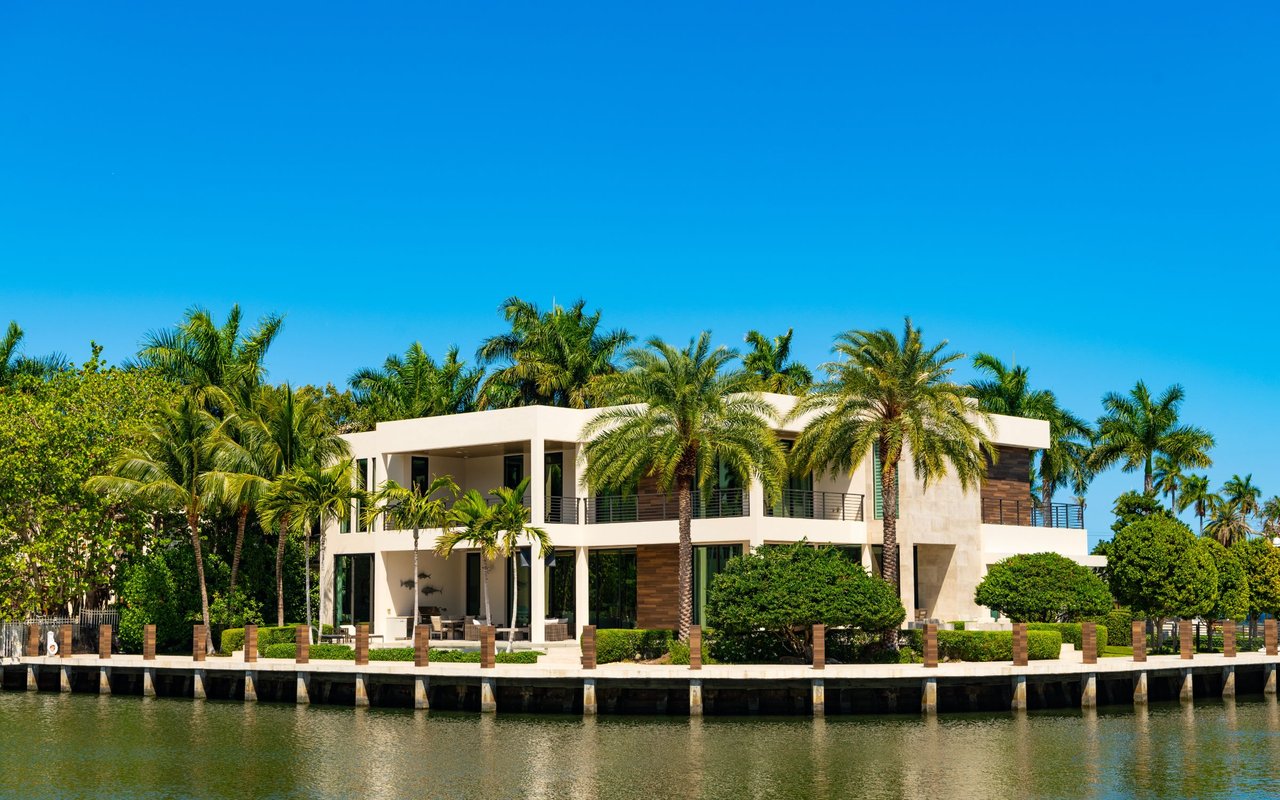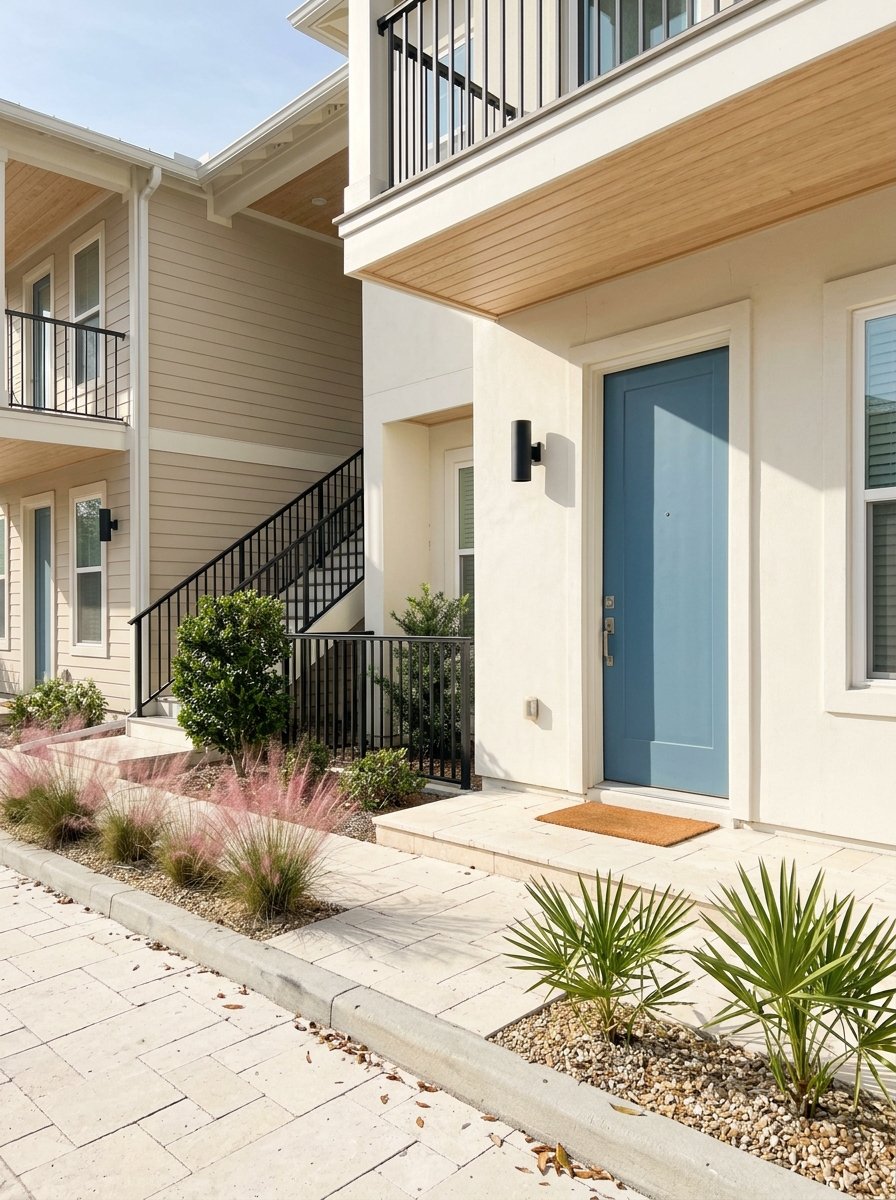
Trying to choose between a condo and a townhome in Miramar Beach for your coastal retreat? It is a smart question, especially in an area where both options can offer beach access, resort-style amenities, and flexible second-home use. If you want a place that feels easy to enjoy now and practical to own long term, the real answer comes down to maintenance, rules, and how you plan to use the property. Let’s dive in.
Why Miramar Beach Fits Both
Miramar Beach is part of Walton County, and it stands out as a strong location for second-home buyers who want easy access to the coast. According to Walton County District 4 information, Miramar Beach is one of the communities served within the county.
What makes the area especially appealing is how accessible the shoreline is. South Walton notes that there are more than 50 beach and bay access points along 26 miles of shoreline, and the Miramar Beach Regional Beach Access includes parking, seasonal lifeguards, ADA accessible restrooms and boardwalk, beach wheelchairs, and a beach-conditions flag.
That kind of infrastructure matters if you are buying a place you will use part time. It can make ownership feel more convenient, whether you choose a condo with shared amenities or a townhome with a more residential layout.
A local example is Sandestin, a resort community within Miramar Beach that includes beachfront condos, bayside villas, golf course townhomes, and luxury homes. It also highlights how mixed the ownership experience can be from one community to another. In Miramar Beach, the better question is often not condo or townhome? but which community documents and amenities fit your goals?
How Condo Ownership Works
In Florida, condos are governed by Chapter 718. Under that legal structure, the association is responsible for common elements and for maintenance, repair, and replacement duties assigned to it by the condominium declaration.
That usually means condo ownership can feel more hands-off, especially for owners who do not live in Miramar Beach full time. Depending on the declaration, the association may handle major exterior responsibilities and certain building-related items that would otherwise fall on you.
The details still matter. Florida law makes clear that limited common elements may be handled by either the owner or the association depending on the recorded documents, and the association can enter a unit during reasonable hours when needed for maintenance or to prevent damage.
For coastal ownership, that division of responsibility becomes especially important. The declaration can also assign hurricane-protection items, such as shutters or impact glass, to the association, with costs treated as common expenses or shared among certain owners.
Why Condo Documents Matter More Now
If you are considering a condo in Miramar Beach, one of the biggest diligence items is the building’s financial and structural planning. Under Florida Statute 718.112, many residential condominium buildings that are three habitable stories or higher must complete a structural integrity reserve study at least every 10 years.
For buyers, that makes it especially important to review the association budget, reserve plan, and inspection status. A beautiful view and strong amenity package are only part of the story. You also want to understand how the building is planning for long-term maintenance and capital needs.
This is one reason condos often appeal to buyers who want convenience but are also comfortable with more shared governance. The tradeoff for less direct maintenance can be a deeper need to review association documents carefully before you buy.
How Townhome Ownership Differs
Townhomes in Florida are commonly structured under homeowners' associations governed by Chapter 720. Unlike condos, townhomes do not follow one standard maintenance framework in the same way.
That means the ownership experience can vary widely from one community to another. The declaration of covenants, articles, and bylaws usually determine who handles items like roofs, exterior walls, landscaping, parking, and shared amenities.
For some buyers, that added flexibility is a plus. A townhome may offer more of the feel of a private residence while still giving you access to shared features and community upkeep.
For others, it means more review is required up front. The word townhome describes the structure, but the HOA documents define what daily ownership actually looks like.
Condo vs Townhome for Maintenance
If your goal is a low-friction coastal retreat, maintenance may be the biggest deciding factor.
A condo often fits buyers who want:
- Less exterior upkeep
- A more lock-and-leave ownership style
- Building and common area maintenance handled through the association
- Easier use for part-time ownership
A townhome may fit buyers who want:
- More control over the property experience
- A layout that feels closer to a residential home
- Potentially more autonomy, depending on the HOA documents
- A community where maintenance responsibilities are more customized
In Miramar Beach, neither choice is automatically better. It depends on how much responsibility you want to keep versus share.
Rentals Can Shift the Decision
If you may rent the property occasionally, you need to look beyond the property type and into the rules.
Walton County states in its vacation rental FAQs that condominium properties are excluded from the county’s short-term vacation rental certification process. State and local registrations may still apply, including Florida Department of Revenue, DBPR, and tourism-tax registration.
That can make condos somewhat simpler from a county certification standpoint, but it does not mean every condo is rental-friendly. You still need to review association rules for rental minimums, occupancy limits, parking, and any restrictions on short-term or seasonal use.
For townhomes, Walton County says short-term vacation rentals are permitted in many zoning districts in unincorporated Walton County, but registration is required, along with a local responsible party who must be reachable 24/7 and able to respond within one hour to complaints. So if rental flexibility matters to you, a townhome can work well, but only if both the HOA rules and county requirements align with your plan.
Which Option Fits Your Retreat Goals?
For many second-home buyers, a condo is the better fit when convenience leads the list. If you want a place near the beach with easier exterior upkeep and a more managed ownership experience, a condo may feel like the smoother option.
That can be especially appealing in Miramar Beach, where the area's public beach access network supports easy coastal use even if you are not here year-round. You may spend less time coordinating maintenance and more time simply enjoying the property.
A townhome often fits better when you want more control over how the property functions and are comfortable digging into the HOA documents. If the community’s declaration offers the right mix of maintenance coverage, amenity access, and rental permissions, a townhome can be an excellent middle ground between a condo and a detached home.
What to Review Before You Buy
No matter which direction you are leaning, the most important step is document review. In Miramar Beach, the recorded documents usually tell you far more than the marketing description ever will.
Before you move forward, review:
- The recorded declaration and bylaws
- The association budget
- Reserve information
- Structural study status, if the property is a condo
- Rental minimums and occupancy limits
- Parking rules
- Hurricane-protection responsibility
- Amenity access and use rules
- Whether short-term or seasonal rentals are allowed
This is where a calm, detail-focused review can protect both your lifestyle and your investment. The right property is not just attractive on day one. It should also match how you want to own, use, and manage your retreat over time.
The Bottom Line in Miramar Beach
In Miramar Beach, the condo-versus-townhome decision is usually a tradeoff between convenience, control, and intended use. A condo may offer a more hands-off path, while a townhome may offer more independence, but the governing documents are what truly define the experience.
That is why thoughtful guidance matters, especially if you are buying from out of state or narrowing down options in a resort-driven market. The goal is not just to find a beautiful coastal property. It is to choose one that fits your routine, your comfort level, and your long-term plans.
If you are weighing condo and townhome options in Miramar Beach, Crystal Watkins offers a discreet, highly managed approach designed to help you sort through the details with clarity and confidence.
FAQs
What is the main difference between a condo and a townhome in Miramar Beach?
- In Miramar Beach, the biggest difference is usually how maintenance, shared spaces, and ownership responsibilities are defined in the governing documents, not just how the property looks from the outside.
Are condos in Miramar Beach easier to maintain as a second home?
- Often, yes. Condo associations typically handle common elements and certain exterior responsibilities under Florida condo law, but the exact split still depends on the condominium declaration.
Do townhomes in Miramar Beach allow short-term rentals?
- Some do, but you need to verify both the HOA rules and Walton County requirements, including registration and local responsible-party rules for vacation rentals.
What condo documents should buyers review in Miramar Beach?
- Buyers should review the declaration, bylaws, budget, reserves, and, when applicable, the structural integrity reserve study and inspection status for the building.
Is a condo or townhome better for a Miramar Beach coastal retreat?
- The better fit depends on whether you want a more hands-off ownership experience, more control, access to amenities, or the ability to rent the property in a way that matches your goals.